Pet Parent Guides

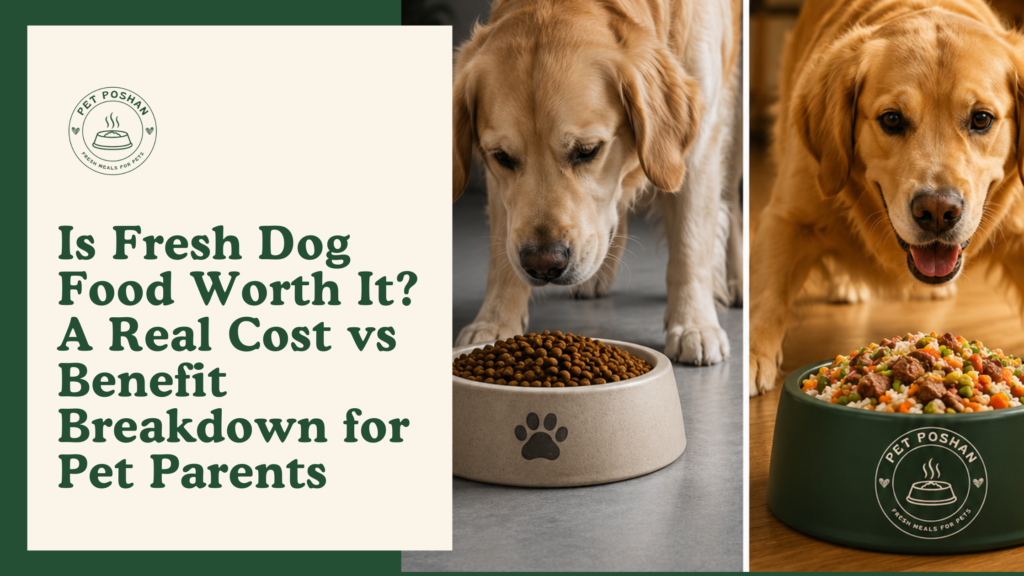
Is Fresh Dog Food Worth It? A Real Cost vs Benefit Breakdown for Pet Parents

Quick Answer  Yes, fresh dog food often costs more than kibble, but many pet parents find the investment worthwhile because of the quality of ingredients, ingredient transparency, digestibility, and the overall feeding experience. The real question isn’t just what you pay per meal, it’s what your dog gets from that meal. If you’ve ever explored fresh dog food, you’ve probably had the same reaction as many pet parents: “This looks great, but is it really worth the extra cost?” It’s a fair question. After all, kibble has been the standard choice for years, and fresh food often comes with a higher price tag. But when evaluating dog food, the real question isn’t just: “How much does it cost?” It’s also: “What am I getting for that cost?” Let’s break it down honestly. The True Cost of Dog Food: Looking Beyond the Price Tag When comparing dog food options, most people focus on the cost of a bag or the cost per meal. While price matters, it’s equally important to consider: Ingredient quality  Ingredient transparency  Digestibility  Nutritional value  Feeding experience  Long-term wellbeing Just like human food, two meals can have completely different nutritional value even if they contain the same number of calories. Fresh Dog Food vs Kibble: What’s the Difference? At Pet Poshan, our recipes are made using real, recognizable ingredients such as: Chicken breast  Chicken liver  Chicken gizzard  Chicken feet  Fish  Eggs  Vegetables  Rice  Our meals are: ✅ Prepared fresh every day ✅ Made using ingredients you can actually recognize ✅ Gently cooked in small batches to preserve nutrition and flavour ✅ Free from artificial preservatives ✅ Stored and delivered fresh to maintain quality 👉 In simple terms, it’s real food made for dogs – not highly processed pellets. Kibble Typically contains: Meat meals or rendered protein sources Fillers and starches Artificial preservatives Added flavours Synthetic nutrient blends It is usually: Manufactured in large batches  Processed at high temperatures  Designed for extended shelf life  Packaged for storage for months  👉 While convenient, the focus is often on shelf stability rather than ingredient freshness. 👉 Read more: What Actually Goes Into Your Dog’s Bowl? Fresh vs Kibble Ingredients Cost Comparison: Fresh Food vs Kibble While costs vary based on breed, size, and feeding requirements, fresh food generally costs more than commercial kibble. What You’re Paying For With fresh food, you’re paying for: ✅ Real ingredients you can identify ✅ Fresh preparation ✅ Ingredient transparency ✅ Higher moisture content ✅ Convenience of balanced meal preparation Unlike shelf-stable food designed to sit in storage for months, fresh food requires careful sourcing, preparation, storage, and delivery. That’s one of the reasons fresh food typically costs more than kibble. The Benefits Pet Parents Commonly Notice After Switching Every dog is different, but many pet parents report positive changes after transitioning to fresh food. Better Digestion Fresh meals contain natural moisture and whole-food ingredients that are often easier for dogs to digest. Many pet parents notice: More consistent stools  Reduced digestive discomfort  Improved overall gut health Healthier Skin and Shinier Coat A nutrient-rich diet may contribute to: Shinier coats Reduced dryness Healthier skin Increased Meal Excitement Dogs are naturally attracted to the aroma, texture, and taste of fresh food. For many pet parents, mealtimes become something their dogs genuinely look forward to. Improved Energy Levels When dogs receive balanced nutrition from quality ingredients, it often reflects in their daily activity levels. Many pet parents observe: More playfulness  Better stamina  Improved overall vitality The Hidden Cost of Cheap Nutrition A lower food bill today doesn’t always mean lower overall costs. When evaluating dog food, it’s important to think beyond the immediate purchase price. Poor-quality nutrition can sometimes contribute to: Digestive issues Weight management challenges Poor coat quality Reduced vitality Lower overall wellbeing While nutrition alone doesn’t determine health outcomes, it plays a significant role in your dog’s quality of life. When Fresh Food May Be Especially Worth Considering Fresh food may offer particular value for: Puppies Supporting healthy growth and development. Senior Dogs Providing nutrition that is often easier to digest. Picky Eaters Encouraging consistent eating habits. Dogs with Sensitive Digestion Reducing reliance on heavily processed ingredients. Health-Conscious Pet Parents Those who prioritize ingredient transparency and quality. Why More Pet Parents Are Making the Switch Today’s pet parents are asking better questions. Instead of simply asking: “How much does this food cost?” They’re asking: “What am I feeding my dog every day?” “Can I recognize the ingredients?” “Do I trust what’s in the bowl?” That shift is one of the reasons fresh dog food in India is gaining popularity. Pet parents want greater transparency, better ingredient quality, and nutrition they can understand. How Pet Poshan Delivers Value Beyond the Bowl At Pet Poshan, we believe trust starts with transparency. That’s why our meals are: Prepared fresh every day  Made with real ingredients  Gently cooked in small batches  Free from artificial preservatives  Designed to provide balanced nutrition  We don’t believe pet parents should have to guess what’s inside their dog’s food. Because every ingredient should have a purpose. So, Is Fresh Dog Food Worth It? If you’re only comparing the price per kilogram, fresh food will usually cost more. But if you’re evaluating: Ingredient quality Digestibility Transparency Nutritional value Daily feeding experience Then the conversation becomes much bigger than cost alone. For many pet parents, fresh food isn’t just an expense. It’s an investment in their dog’s health, happiness, and quality of life. Ready to See the Difference for Yourself? Many pet parents start with a trial before making a full switch. 👉 Explore Fresh Dog Food Meal Plans 👉 Learn How to Transition Your Dog to Fresh Food 👉 Compare Fresh Food vs Kibble Ingredients FAQs Is fresh dog food worth the extra cost? Many pet parents believe so because fresh food offers real ingredients, greater transparency, daily preparation, and a feeding experience that prioritizes freshness over shelf life. Why is fresh dog food more expensive than kibble? Fresh food uses real ingredients, requires refrigeration,

Is Fresh Dog Food Worth It? A Real Cost vs Benefit Breakdown for Pet Parents Read More »
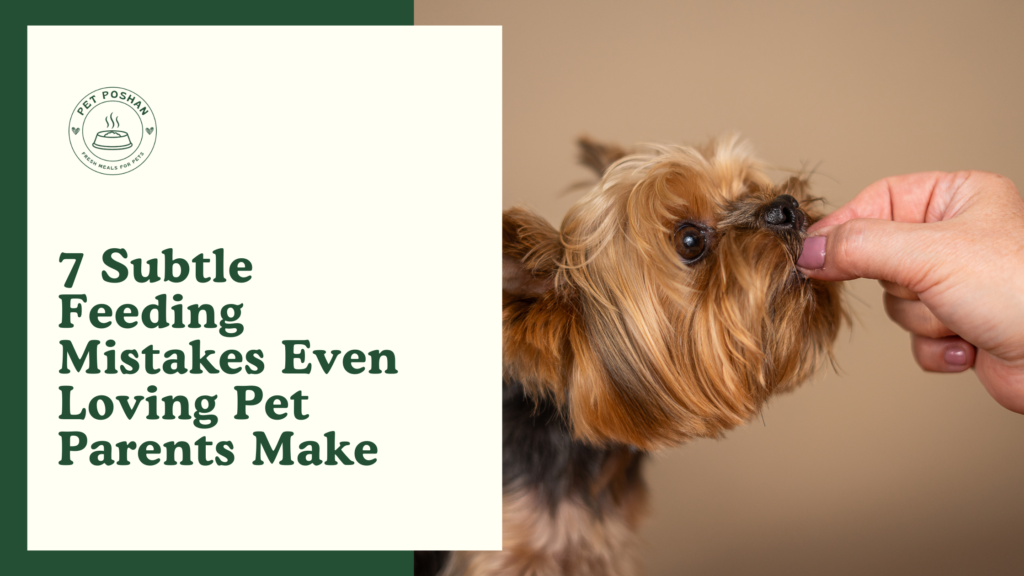
7 Subtle Feeding Mistakes Even Loving Pet Parents Make

In India, food is one of the ways we express love. A little extra paneer. A biscuit from the tea tray. A bowl topped with “just a bit more.” But sometimes, that love unintentionally leads to small feeding habits that can affect a dog’s long-term health. Most dog feeding mistakes don’t come from neglect. They come from care. Here are seven subtle mistakes even thoughtful pet parents make, and how to gently correct them. 1. The “Chicken and Rice” Forever Diet Chicken and rice is often the first meal recommended when a dog has an upset stomach. But many households continue feeding it long-term. The Mistake While easy to digest, chicken and rice alone lack several essential micronutrients such as calcium, zinc, and Vitamin D. Over time, this may lead to nutrient deficiencies in dogs. The Fix If feeding home-cooked meals regularly, ensure the diet includes: varied protein sources organ meats vegetables calcium sources or veterinary-approved balancers A nutritionally complete diet matters more than simplicity. 2. Eyeballing Portion Sizes “A little extra today” can slowly become the new normal. One of the fastest-growing health issues among pets today is dog obesity in India. The Mistake Estimating portions by sight rather than measurement. Even small daily excess calories can lead to gradual weight gain. The Fix Use a measuring cup or kitchen scale. Reassess portion sizes every few months based on weight, activity level, and age. 3. Switching Food Too Quickly Found a better brand of dog food and switched immediately? A dog’s digestive system may not agree. The Mistake Sudden food changes disrupt gut bacteria and may cause: diarrhea bloating vomiting reduced appetite The Fix Follow a 7-day transition rule: Days 1–2: 25% new food + 75% old Days 3–4: 50% new food + 50% old Days 5–6: 75% new food + 25% old Day 7: 100% new food Gradual transitions protect gut balance in dogs. 4. Ignoring Treat Calories Treats feel small, but calories add up quickly. For small dogs, especially, a biscuit can represent a significant percentage of daily calories. The Mistake Treats exceeding recommended limits. The Fix Treats should not exceed 10% of daily calorie intake. Healthier alternatives can include: small carrot pieces cucumber slices plain boiled chicken bits 5. Feeding from the Table Sharing food is part of family culture, but many Indian dishes contain ingredients that are harmful to dogs. The Mistake Foods containing: onion garlic excess salt heavy spices These may cause digestive issues or toxicity in dogs. The Fix If you want to share food, set aside a small portion before adding spices or seasoning. 6. Misreading the “Always Hungry” Signal Many pet parents wonder: “Why is my dog always hungry?” In reality, begging behavior is often learned, not hunger-driven. The Mistake Responding to begging with additional food. The Fix Instead of extra snacks: Ensure meals contain enough fibre Increase play or enrichment activities Reinforce non-food rewards like attention or toys 7. Free Feeding Without Monitoring Leaving food available all day may seem convenient. But it makes portion control difficult. The Mistake Constant bowl access can lead to unnoticed overeating and weight gain. The Fix Offer measured meals at consistent times each day. This supports: Better digestion Appetite regulation Healthy body weight How Do You Know If You’re Overfeeding? Signs may include: Ribs becoming difficult to feel Reduced stamina during walks Gradual weight gain Increased lethargy A simple rule: you should be able to feel your dog’s ribs easily without seeing them prominently. If your dog is showing signs like low energy or poor digestion, here are 7 signs your dog’s food isn’t working. The Pet Poshan Perspective Feeding well is one of the most powerful acts of care we offer our dogs. Small adjustments, measuring portions, balancing nutrients, and understanding their needs, can prevent many long-term health complications. Because informed feeding doesn’t just fill a bowl. It builds stronger, healthier lives. Many feeding mistakes happen simply because pet parents lack clear information about dog nutrition. Understanding balanced nutrition is the first step. Read our complete guide to dog nutrition in India to learn how to build a healthier diet for your dog. At Pet Poshan, we believe thoughtful nutrition is the foundation of a lifelong bond between pets and the people who love them.

7 Subtle Feeding Mistakes Even Loving Pet Parents Make Read More »

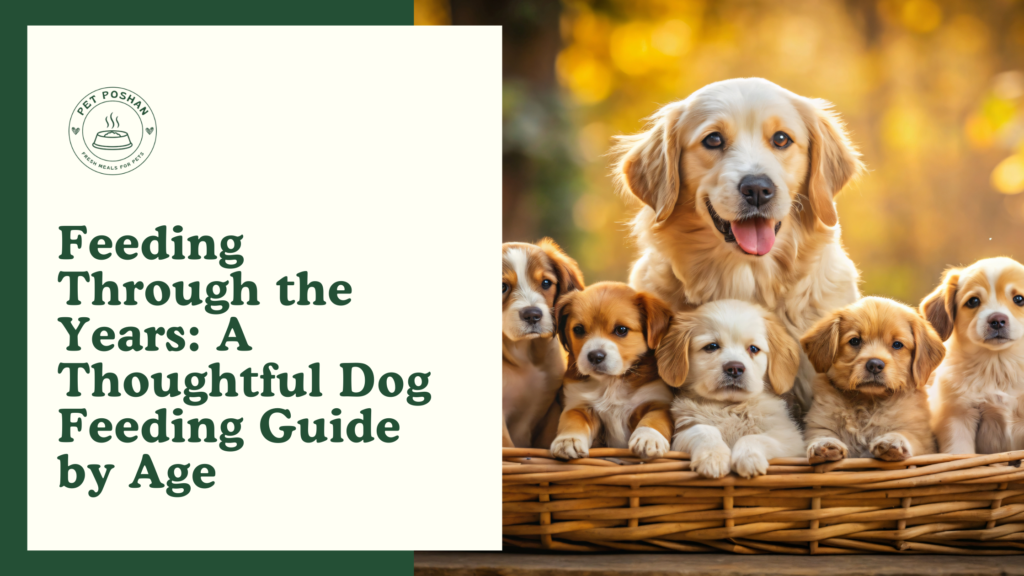
Feeding Through the Years: A Thoughtful Dog Feeding Guide by Age

From the playful chaos of puppyhood to the quieter rhythm of senior years, a dog’s nutritional needs change constantly. Feeding a growing puppy the same way you feed a senior dog isn’t just ineffective; it affects their long-term health.  Understanding a dog feeding guide by age helps ensure your dog receives the right nutrients at the right stage of their life. This is because, while their personality may stay the same, their bodies are constantly evolving. The Puppy Phase: Building the Foundation (0-12 Months) Puppies aren’t simply tinier versions of dogs. They are biological construction sites, rapidly building bone, muscle, brain tissue, and immunity. Their diet must support several critical processes simultaneously. Key Nutritional Needs Higher protein levels to support muscle development Healthy fats to fuel rapid growth Balanced calcium and phosphorus for strong bone formation DHA (Omega-3) for brain and cognitive development Immune-supporting nutrients for early disease protection Calcium balance is especially important. Too little can weaken bones, while excessive calcium, particularly in large breeds like Labradors or German Shepherds, may lead to skeletal issues. Feeding Frequency Small stomachs require frequent meals: Small dogs, with smaller stomachs, require smaller portions but more frequent feeding than older dogs. 2-4 months: 4 meals per day 4-8 months: 3 meals per day 8-12 months: Gradually transition to 2 meals per day If you’re looking for a puppy feeding guide in India, ensure the food is specifically formulated for growth. The Adult Stage: Maintenance and Vitality (1-7 Years) Once a dog reaches maturity, nutrition shifts from growth to maintenance. The goal now is to sustain energy levels, support organ health, and maintain a healthy body weight. Key Nutritional Focus Stable protein intake to maintain lean muscle Healthy fats for skin, coat, and energy Controlled calorie intake to prevent weight gain Dietary fibre to support digestion and gut health Activity level plays a significant role here. An Indie dog running daily in the park will require more calories than an apartment pet with minimal exercise. Similarly, working dogs, highly active breeds, and dogs living in cooler climates often need more energy-dense diets. Feeding Frequency Most adult dogs thrive on two balanced meals per day, morning and evening. This schedule helps regulate digestion and prevents overeating. The Senior Years: Supporting Graceful Aging (7+ Years) As dogs enter their senior years, metabolism slows, but their nutritional needs become more specific. A thoughtful diet for senior dogs focuses on maintaining mobility, digestive comfort, and overall vitality. Nutritional Priorities for Senior Dogs Reduced calorie intake to prevent weight gain Joint support nutrients such as glucosamine and chondroitin Easily digestible protein sources Omega-3 fatty acids to help manage inflammation Many aging dogs benefit from diets that prioritize nutrient density over volume. Signs Your Senior Dog’s Diet May Need Adjustment Watch for subtle changes such as: Increased sleep or lower energy Weight gain despite unchanged portions Stiffness when standing or walking Reduced appetite or slower digestion Small dietary adjustments can significantly improve quality of life. How Much Should You Feed? Portion size depends on several factors: Body weight Breed size Activity level Metabolism Neutering status While feeding guidelines on packaging provide a starting point, every dog is different. General Feeding Guide (Adult Dogs) Dog Weight Approx. Daily Intake 2-5 kg 50-100 g 5-12 kg 100-200 g 12-25 kg 200-400 g 25-40 kg 400-600 g 40 kg+ 600 g+ Avoid free-feeding (making food available all day). Measured portions help maintain a healthy weight and digestion. Even well-intentioned feeding habits can sometimes lead to issues over time. Learn about common dog feeding mistakes many pet parents unknowingly make. Frequently Asked Questions How much should I feed my puppy? Start with the feeding guidelines provided on the food label and adjust based on your puppy’s body condition. You should be able to feel their ribs easily without seeing them prominently. When should I switch from puppy to adult food? Small breeds: around 10-12 months Large breeds: 14-18 months Large breeds mature more slowly, so transitioning too early may affect joint development. What should senior dogs with joint issues eat? Look for diets rich in Omega-3 fatty acids, glucosamine, and anti-inflammatory ingredients that support joint mobility and reduce stiffness. How many times should I feed my dog? For most adult dogs, two meals per day provides the best balance between digestion, appetite control, and energy regulation. The Pet Poshan Perspective Feeding your dog is one of the most meaningful daily acts of care. But feeding them according to their life stage is what truly supports lifelong health. When nutrition evolves alongside your dog, from energetic puppy to wise senior, you aren’t simply filling a bowl. You are helping them live longer, healthier, and happier lives. At Pet Poshan, thoughtful nutrition is one of the most powerful ways to nurture the bond you share with your dog.

Feeding Through the Years: A Thoughtful Dog Feeding Guide by Age Read More »