
In India, we express love through food.
An extra dollop of ghee, a shared piece of paneer, a warm bowl prepared just for them.
Our dogs are family, and naturally, they are included in our rituals of care.
But there is a quiet difference between a full stomach and a nourished body.
As the pet care landscape evolves, more families are asking:
What should I feed my dog in India for long-term health?
This guide simplifies the essentials of dog nutrition in India so that you can feed with confidence, not confusion.
What a Balanced Diet for Dogs Truly Looks Like
Dogs are facultative carnivores, biologically designed to thrive on meat, while being able to digest certain plant-based nutrients.
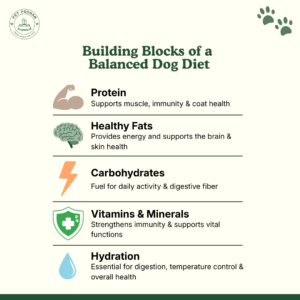
A truly balanced diet includes precise proportions of:
- Protein: The building blocks of muscle, immunity, skin, and coat health. Look for high-quality animal sources such as chicken, fish, eggs, or mutton.
- Healthy Fats & Omegas: Provide energy and support brain function. Omega-3 and Omega-6 fatty acids reduce inflammation and maintain coat shine.
- Digestible Carbohydrates: Provide glucose for energy and fibre for digestive health. In India, well-cooked rice and oats are commonly digestible options.
- Vitamins & Minerals: Calcium, phosphorus, zinc, iron, Vitamin A, and B-complex are essential and frequently under-balanced in home diets.
- Hydration: Water is the most overlooked nutrient. In India’s warm climate, consistent hydration is non-negotiable.
A balanced diet for dogs is not about trends. It is about meeting biological requirements.
Feeding requirements also change as dogs grow from energetic puppies to slower senior companions. If you’re unsure how nutrition evolves across different life stages, read our dog feeding guide by age.
The Golden Standards: How to Know If Food Is Complete
Globally, two organizations define nutritional benchmarks:
When a product states “complete and balanced,” it means the formulation meets established nutrient profiles for a specific life stage, puppy, adult, or senior.
Every nutrient has a role. Deficiency and excess both carry consequences.
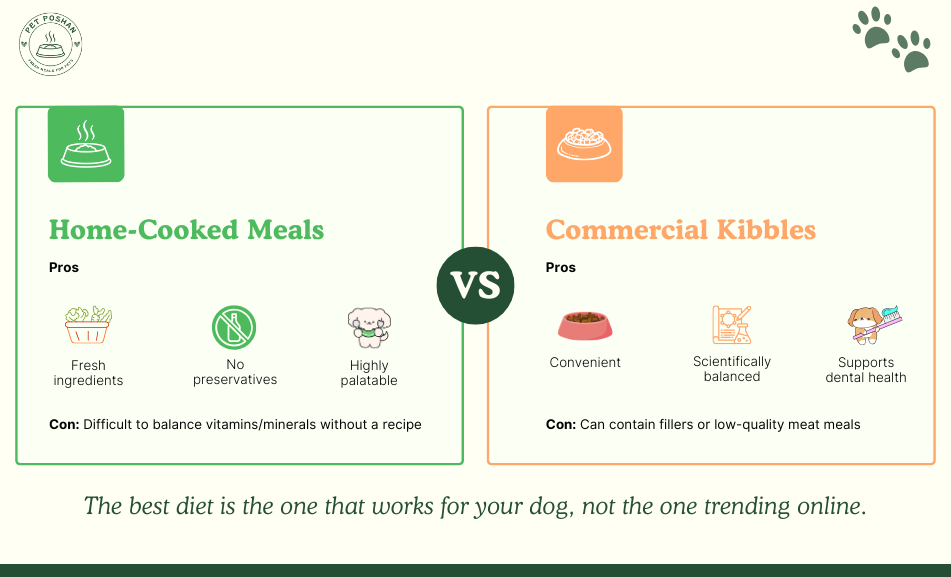
Home-Cooked Meals vs Commercial Kibble: A Balanced Perspective
Home-Cooked Meals
Pros: Fresh ingredients, control over sourcing, emotional comfort.
Challenge: Extremely difficult to balance calcium, zinc, Vitamin D, and trace minerals without veterinary formulation.
Chicken and rice, while gentle and digestible, rarely meet long-term micronutrient requirements on their own.
Commercial Kibble
Pros: Scientifically formulated, convenient, complete nutrition when reputable.
Challenge: Quality varies widely. Ingredient sourcing matters.
The real question is not “home vs packaged.”
It is : Is the diet nutritionally complete for my dog’s age, weight, and activity level?
Many Indian pet parents find success with a thoughtful mixed-feeding approach, using high-quality kibble as a nutritional base, topped with fresh additions like boiled eggs or plain curd.
Why Indian Climate & Lifestyle Matter
Dog nutrition in India cannot blindly mirror Western guidelines.
- High ambient temperatures
- Apartment-based sedentary lifestyles
- Increased exposure to environmental pathogens
- Variable exercise routines
These factors influence:
- Caloric needs
- Hydration requirements
- Electrolyte balance
- Gut resilience
Feeding plans must be contextual, not generic.
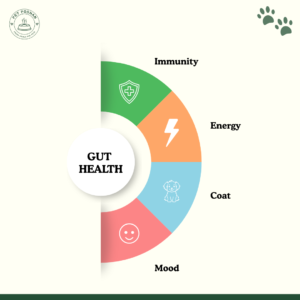
Gut Health & the Canine Microbiome
Modern veterinary science increasingly highlights the importance of dog microbiome health.
- Immunity
- Nutrient absorption
- Stool quality
- Mood and energy levels
Supporting Gut Health
- Probiotics: Beneficial bacteria (found in plain dahi or supplements).
- Prebiotics: Fibre that nourishes good bacteria.
- Balanced Formulation: Prevents chronic digestive stress.
Signs of imbalance may include recurring loose stools, excessive gas, or inconsistent appetite.
A healthy gut is often the foundation of a healthy dog.
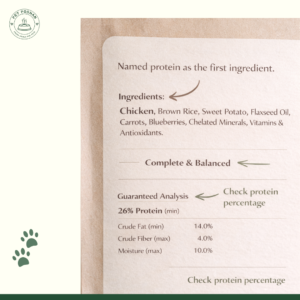
How to Read a Dog Food Label
- Ensure a named protein (e.g., “Chicken”) appears first
- Look for “complete and balanced”
- Review guaranteed analysis (protein, fat, fibre percentages)
- Avoid vague terms like “animal derivatives” or unspecified fats
Clarity in labeling reflects clarity in formulation.
Frequently Asked Questions
-
What is a balanced diet for dogs?
A diet providing protein, fats, carbohydrates, vitamins, and minerals in correct ratios tailored to life stage and activity level.
-
How much protein does a dog need?
Adult dogs typically require 18–25% protein (dry matter basis), while puppies require higher levels for growth.
-
Can I feed my dog home-cooked food only?
Yes, but only with veterinary-approved recipes or nutrient balancers. Most unsupervised home diets lack critical micronutrients.
-
Is rice good for dogs?
Yes. Properly cooked rice is easily digestible and suitable for many Indian dogs, as part of a balanced diet.
The Pet Poshan Philosophy
Understanding what to feed your dog in India does not need to feel overwhelming.
- High-quality protein
- Balanced micronutrients
- Gut-friendly ingredients
- Contextual feeding for Indian conditions
You are not just filling a bowl. You are investing in longevity.
At Pet Poshan, we believe nutrition is not just about feeding. It is about nurturing, thoughtfully, consistently, and with care.