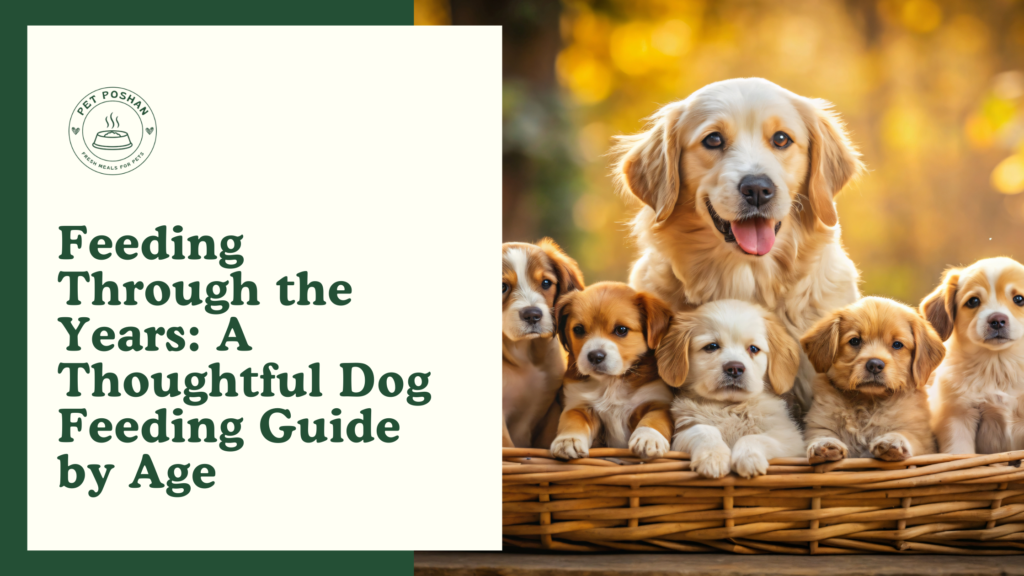
From the playful chaos of puppyhood to the quieter rhythm of senior years, a dog’s nutritional needs change constantly.
Feeding a growing puppy the same way you feed a senior dog isn’t just ineffective; it affects their long-term health.
Understanding a dog feeding guide by age helps ensure your dog receives the right nutrients at the right stage of their life.
This is because, while their personality may stay the same, their bodies are constantly evolving.
The Puppy Phase: Building the Foundation (0-12 Months)
Puppies aren’t simply tinier versions of dogs. They are biological construction sites, rapidly building bone, muscle, brain tissue, and immunity.
Their diet must support several critical processes simultaneously.
Key Nutritional Needs
- Higher protein levels to support muscle development
- Healthy fats to fuel rapid growth
- Balanced calcium and phosphorus for strong bone formation
- DHA (Omega-3) for brain and cognitive development
- Immune-supporting nutrients for early disease protection
Calcium balance is especially important. Too little can weaken bones, while excessive calcium, particularly in large breeds like Labradors or German Shepherds, may lead to skeletal issues.
Feeding Frequency
Small stomachs require frequent meals: Small dogs, with smaller stomachs, require smaller portions but more frequent feeding than older dogs.
- 2-4 months: 4 meals per day
- 4-8 months: 3 meals per day
- 8-12 months: Gradually transition to 2 meals per day
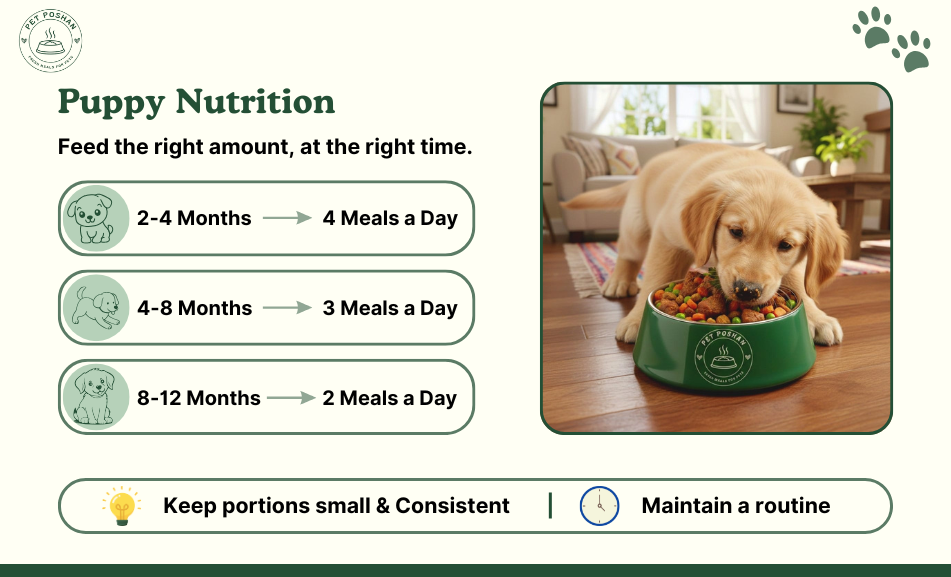
If you’re looking for a puppy feeding guide in India, ensure the food is specifically formulated for growth.
The Adult Stage: Maintenance and Vitality (1-7 Years)
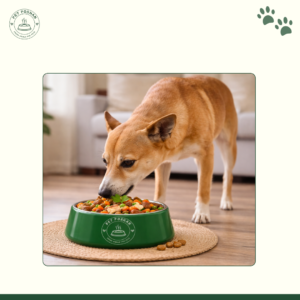
Once a dog reaches maturity, nutrition shifts from growth to maintenance.
The goal now is to sustain energy levels, support organ health, and maintain a healthy body weight.
Key Nutritional Focus
- Stable protein intake to maintain lean muscle
- Healthy fats for skin, coat, and energy
- Controlled calorie intake to prevent weight gain
- Dietary fibre to support digestion and gut health
Activity level plays a significant role here.
An Indie dog running daily in the park will require more calories than an apartment pet with minimal exercise.
Similarly, working dogs, highly active breeds, and dogs living in cooler climates often need more energy-dense diets.
Feeding Frequency
Most adult dogs thrive on two balanced meals per day, morning and evening.
This schedule helps regulate digestion and prevents overeating.
The Senior Years: Supporting Graceful Aging (7+ Years)
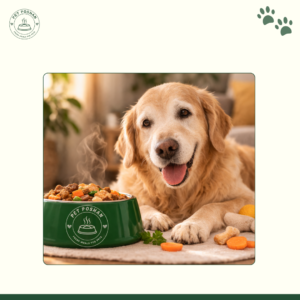
As dogs enter their senior years, metabolism slows, but their nutritional needs become more specific.
A thoughtful diet for senior dogs focuses on maintaining mobility, digestive comfort, and overall vitality.
Nutritional Priorities for Senior Dogs
- Reduced calorie intake to prevent weight gain
- Joint support nutrients such as glucosamine and chondroitin
- Easily digestible protein sources
- Omega-3 fatty acids to help manage inflammation
Many aging dogs benefit from diets that prioritize nutrient density over volume.
Signs Your Senior Dog’s Diet May Need Adjustment
Watch for subtle changes such as:
- Increased sleep or lower energy
- Weight gain despite unchanged portions
- Stiffness when standing or walking
- Reduced appetite or slower digestion
Small dietary adjustments can significantly improve quality of life.
How Much Should You Feed?
Portion size depends on several factors:
- Body weight
- Breed size
- Activity level
- Metabolism
- Neutering status
While feeding guidelines on packaging provide a starting point, every dog is different.
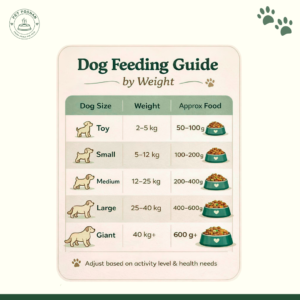
General Feeding Guide (Adult Dogs)
| Dog Weight | Approx. Daily Intake |
| 2-5 kg | 50-100 g |
| 5-12 kg | 100-200 g |
| 12-25 kg | 200-400 g |
| 25-40 kg | 400-600 g |
| 40 kg+ | 600 g+ |
Avoid free-feeding (making food available all day). Measured portions help maintain a healthy weight and digestion.
Even well-intentioned feeding habits can sometimes lead to issues over time. Learn about common dog feeding mistakes many pet parents unknowingly make.
Frequently Asked Questions
How much should I feed my puppy?
Start with the feeding guidelines provided on the food label and adjust based on your puppy’s body condition. You should be able to feel their ribs easily without seeing them prominently.
When should I switch from puppy to adult food?
- Small breeds: around 10-12 months
- Large breeds: 14-18 months
Large breeds mature more slowly, so transitioning too early may affect joint development.
What should senior dogs with joint issues eat?
Look for diets rich in Omega-3 fatty acids, glucosamine, and anti-inflammatory ingredients that support joint mobility and reduce stiffness.
How many times should I feed my dog?
For most adult dogs, two meals per day provides the best balance between digestion, appetite control, and energy regulation.
The Pet Poshan Perspective
Feeding your dog is one of the most meaningful daily acts of care.
But feeding them according to their life stage is what truly supports lifelong health.
When nutrition evolves alongside your dog, from energetic puppy to wise senior, you aren’t simply filling a bowl.
You are helping them live longer, healthier, and happier lives.
At Pet Poshan, thoughtful nutrition is one of the most powerful ways to nurture the bond you share with your dog.